
Fireworks and Safety: Essential Rules for a Risk-Free Display
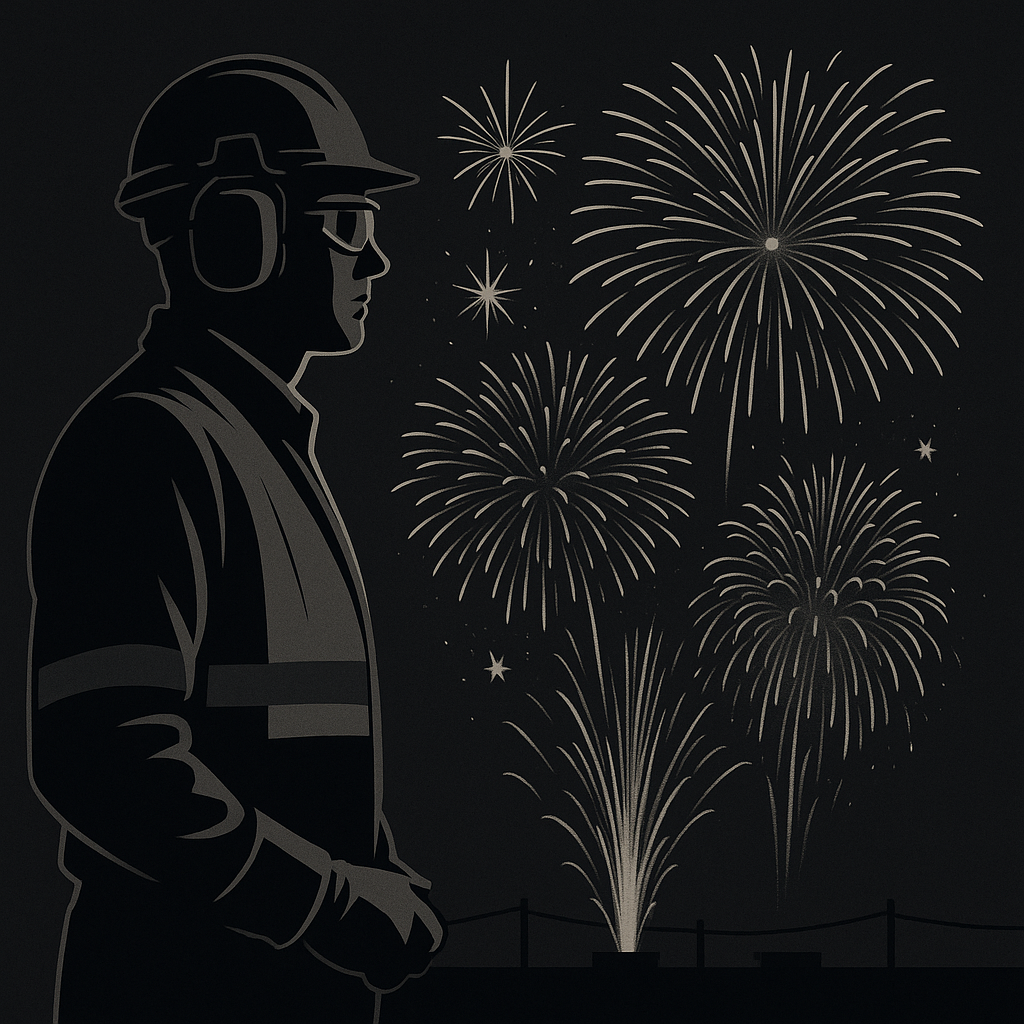
Introduction: Safety, the Heart of Every Professional Pyrotechnic Display
Fireworks are beautiful, powerful, and impressive—but behind every explosion of light lies a strict set of rules, techniques, and protocols designed to ensure the safety of the public, technicians, performers, and infrastructure.
Whether you are a municipality organizing a national holiday, a couple celebrating their wedding, a festival organizer, a company planning a corporate event, or even an individual, safety must always be the top priority.
A professional fireworks display is never improvised. It requires regulatory knowledge, permits, precise safety distances, specialized equipment, and a certified team.
This comprehensive guide reveals all the essential rules to ensure a 100% safe, compliant, and impressive pyrotechnic display—as delivered by PyroVision, fireworks experts in Quebec.
1. Understanding the Risks: The Foundation of Controlled Safety
Fireworks utilize explosive powders, pyrotechnic charges, and chemical reactions projected at high speeds. Without proper technique and control, they can cause:
burns
fires
projected debris
misfires
uncontrolled explosions
serious injuries
This is why PyroVision displays are designed, installed, and fired by certified professional technicians, who are insured and trained to Canadian standards.
2. The Role of a Certified Pyrotechnician
A certified technician is not just a fireworks lighter—they are an expert trained in:
explosives management
chemical risks
safety distances
handling professional pyrotechnics
assembly and installation
electronic firing procedures
incident management
regulatory compliance
weather analysis
logistics and post-show procedures
PyroVision technicians hold the certifications required by:
Natural Resources Canada (NRCan)
The Canadian Explosives Act
Provincial / municipal permits depending on the city
Their role is essential to guarantee a safe show from start to finish.
3. Legal Rules in Quebec and Canada
Canada has a very strict regulatory framework governing professional fireworks.
The main standards are defined by:
the Explosives Act
the Explosives Regulations
Natural Resources Canada (NRCan)
municipal bylaws
local fire services
To fire a professional fireworks display, you need:
✔ A certified technician
✔ A secure firing zone
✔ NRCan-approved pyrotechnic products
✔ A display permit (depending on the city)
✔ A safety plan
✔ Respected safety distances
✔ Civil liability insurance
PyroVision handles all these procedures for you.
4. Safety Distances: The Golden Rule
Each type of pyrotechnic effect requires a minimum distance between:
the firing zone
the public
buildings
vehicles
wooded areas
electrical equipment
General distances based on caliber:
1 to 2 inches: 20 to 30 meters
3 inches: 30 to 50 meters
4 inches: 50 to 70 meters
5 inches: 70 to 100 meters
6 inches: 100 to 120 meters
These distances vary according to:
wind
humidity
terrain
obstacles
PyroVision technicians analyze the site before any setup.
5. Site Analysis: A Mandatory Step
Before accepting a show, a professional must perform a complete site inspection.
Elements analyzed:
terrain surface
tree height
distance from buildings
power lines
stage infrastructure
presence of water
vehicle access
prevailing wind direction
public gathering areas
Even if a client thinks they have “a good spot,” only an expert can decide if the site is safe.
6. Municipal Permits and Local Regulations
Each municipality may require:
prior declaration
fire department approval
presence of an emergency vehicle
time restrictions
prohibition of certain calibers
approved firing zone
PyroVision handles:
✔ communication with the city
✔ required documents
✔ insurance
✔ official authorizations
Therefore, you have no administrative steps to take.
7. The Importance of Weather: An Often Underestimated Factor
Weather directly influences firing safety.
Ideal conditions:
light winds
dry climate
no heavy rain
Problematic conditions:
winds exceeding 25–30 km/h
thunderstorms
very high humidity
sustained rain
PyroVision monitors the weather in real-time before the firing:
✔ wind speed
✔ direction
✔ precipitation
✔ humidity levels
✔ pressure changes
A firing may be delayed, modified, or postponed if necessary—but never carried out in dangerous conditions.
8. Professional Equipment: Reliability Above All
A professional show requires specialized and approved equipment.
8.1. Electronic Firing Systems
Examples:
FireOne
Cobra
PyroSure
These systems allow for:
secure remote firing
exact synchronization
no risk to the technician
sequential or musical firing
8.2. Accessories and Protections
control module
shielded firing cables
stabilized supports
reinforced fiberglass mortars
hearing protection
heat-resistant gloves
protective eyewear
8.3. Certified Pyrotechnic Products
PyroVision uses only NRCan-certified effects from recognized suppliers.
Each product is checked before assembly.
9. Risk Management: Essential Protocols
Professionals apply a series of strict measures:
✔ Barricaded firing zone
✔ Restricted access
✔ Complete system inspection
✔ Electrical test before firing
✔ Connection verification
✔ Evacuation plan
✔ Extinguishers and water nearby
✔ Direct communication with the fire department
Every step is documented to ensure an incident-free firing.
10. After the Show: Site Cleaning and Verification
Once the firing is complete, the team proceeds with:
✔ site inspection
✔ debris recovery
✔ verification of misfires (duds)
✔ safe neutralization of unfired pyrotechnics
✔ complete cleaning of the premises
A professional fireworks display leaves no dangerous traces.
11. Fireworks Safety for Weddings, Festivals, and Corporate Events
Each type of event has specific safety needs.
Weddings: soft effects, short distances, maximum safety
use of low calibers
low-fallout effects
cold fountains
strict wind management
complete removal of the public from the firing zone
Corporate Events: strict coordination and synchronized firing
music + effects synchronization
safety around VIP guests
precise and personalized firing
stage flame management
Festivals & Spectacles: massive zones, reinforced protocols
high caliber
larger team
advanced logistics
coordination with stage, artists, and sound systems
total control of rhythm and timing
12. Why You Must Absolutely Avoid Amateur Fireworks
Fireworks sold to the public:
are less stable
are less controlled
can explode unpredictably
do not always meet standards
The statistics are clear:
The majority of fireworks accidents involve non-professional users.
Risks include:
severe burns
fires
eye injuries
uncontrolled firing
fire outbreaks
A professional show is:
safer
more stable
more beautiful
longer
more impressive
13. Civil Liability Insurance: An Essential Element
PyroVision carries professional civil liability insurance covering:
property damage
bodily injury
external accidents
unforeseen incidents
No municipality or venue will accept a fireworks display without valid insurance.
Conclusion: Safety is Never an Option—It is an Obligation
A professional fireworks display, well-executed and secure, transforms an event into an unforgettable moment.
But for that, it must be performed by a certified, experienced, insured, and perfectly equipped team.
PyroVision offers:
expertise
compliance
safety
professionalism
spectacular visual effects
With a certified technician and a rigorous safety plan, every show becomes mastered magic, without compromise.
FAQ
1️⃣ Do I need to apply for a permit for fireworks in Quebec?
Yes—in the majority of municipalities. PyroVision handles the procedures.
2️⃣ Is it safe to have fireworks near houses?
Yes, if safety distances are respected and the caliber is appropriate.
3️⃣ What happens if the wind is too strong?
The show can be adjusted, delayed, or postponed—never fired in dangerous conditions.
4️⃣ How long does it take to set up a show?
Between 1 and 6 hours depending on the complexity.
5️⃣ What happens if a pyrotechnic effect does not fire?
It is manually neutralized after a strict safety delay.
6️⃣ Are fireworks dangerous for children?
The show is safe as long as children remain behind the designated barriers.

